Skip to content

What Type of Windows Are Best for UK Homes? A Complete Buyer’s Comparison Guide

When homeowners ask us about the best windows UK properties should have, what they usually want is a clear comparison between styles, materials and glazing that actually makes sense for their own home. From our experience fitting windows across a wide mix of properties, the “best” choice is always a balance between insulation, security, noise reduction, appearance and budget, rather than a single perfect product. The most successful projects start with how you live in the home day to day, then match the window specification to those needs instead of picking something purely on price or looks.

As installers, we see first-hand how a well-planned window upgrade can change a home: warmer rooms, lower bills, smoother opening, and a fresher look that lifts the whole façade. The key is to understand the main window types UK homeowners typically choose – casement, tilt & turn, sash, bay and fixed – and then decide which frame material and glazing package will work best for your specific property. On our own site, we reflect this approach across our core services, from double and triple glazed windows to fully glazed doors and conservatories, always aiming to pair the right style with a durable, low-maintenance specification that suits local conditions and regulations.

Because we work with windows all day, we know that there is a big difference between what looks good in a brochure and what feels right when you open and close it every day in real life. That is why we always look at the whole picture: the type of house you have, which direction each elevation faces, whether you are overlooked, and how long you plan to stay. By thinking in terms of whole-house comfort and long-term value, rather than just replacing like-for-like, it becomes much easier to choose windows that will genuinely improve everyday life.
Main window types UK homeowners should consider

For most replacement windows UK projects, the starting point is style. The main types of windows for houses tend to fall into a few familiar categories, each with its own strengths and trade-offs.

Casement windows

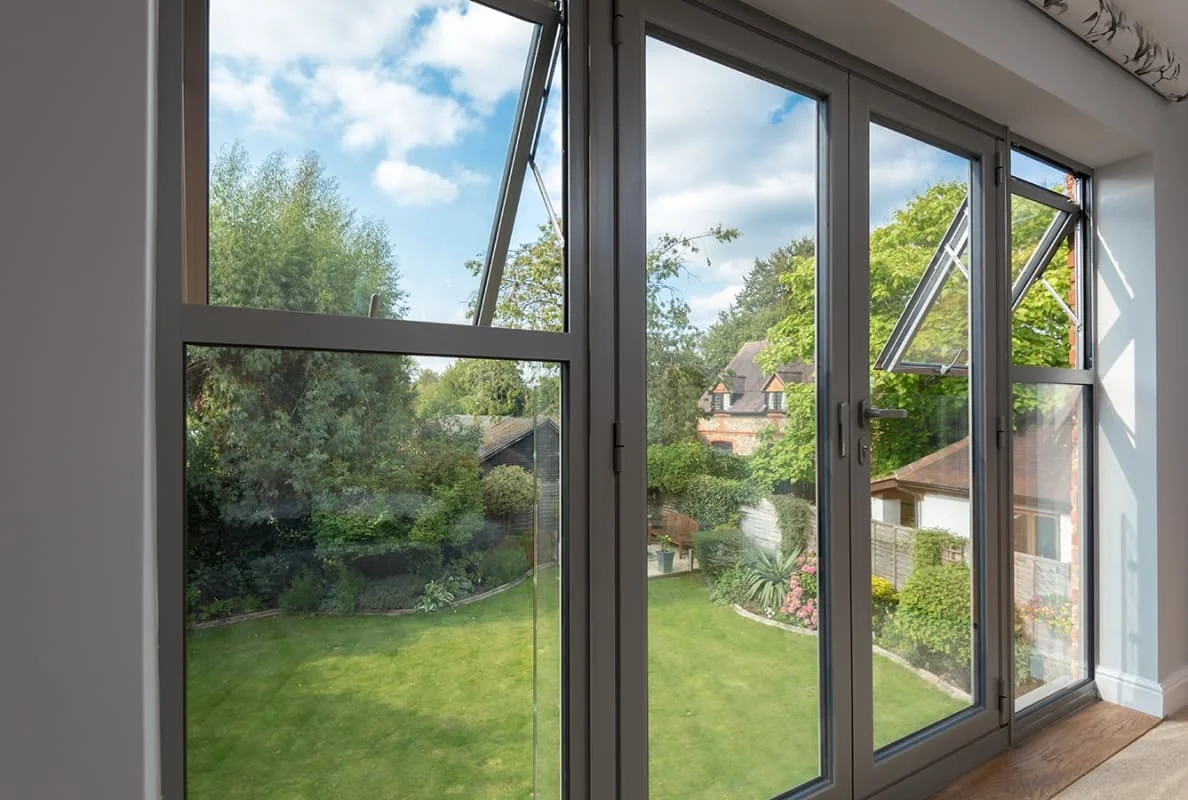
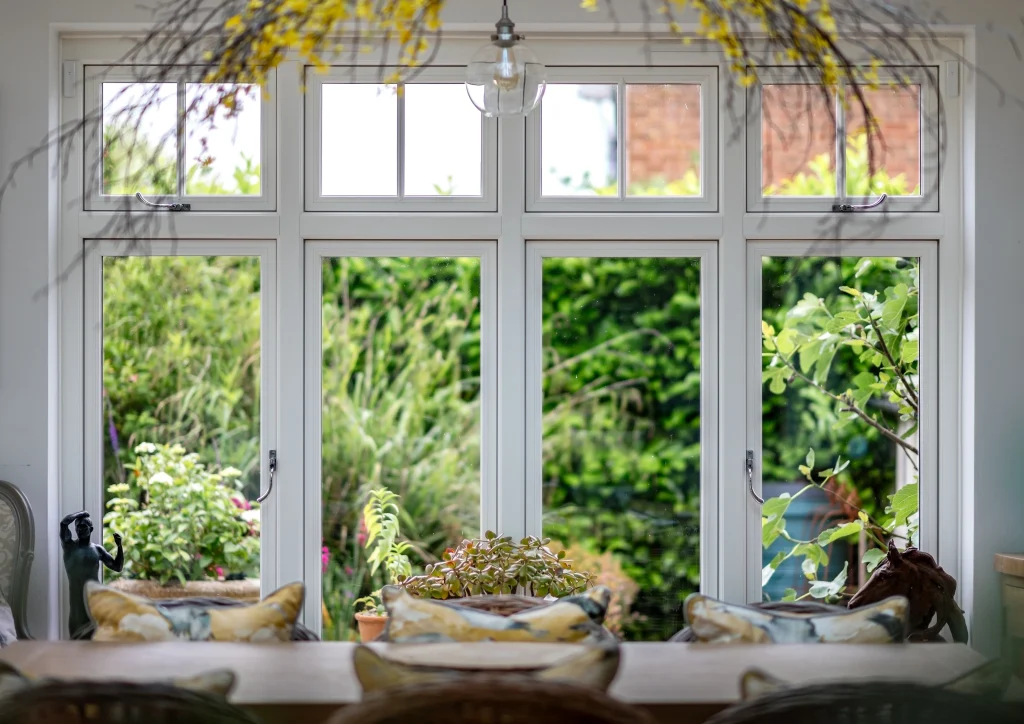
Casement windows are the most common choice for modern British homes and a very versatile option for refits. They are hinged at the side or top and open outwards, giving excellent control over ventilation and making it easy to integrate multi-point locking for security. Because they can be configured as fixed, side-hung or top-hung units in almost any combination, we often use casements to balance airflow, views and furniture layouts across a whole elevation.

On our own windows pages we place a strong emphasis on secure locking, sealed units and neat sightlines, all of which are straightforward to achieve with good-quality casement systems in uPVC or aluminium. For many properties, especially post-war semis and newer estates, a well-specified casement window is the most practical all-round choice. They are also one of the easiest options when you need to upgrade to energy-efficient replacement windows without changing the look of the house too dramatically.

Tilt and turn windows

Tilt and turn windows are increasingly popular in UK homes, especially on upper floors, flats and contemporary extensions. A single handle controls an inward tilt at the top for safe background ventilation and a full inward swing for cleaning. This combination makes them ideal where outside access is limited, or where you want large openings that can double as a secondary escape route.

Because tilt and turn systems are designed to carry larger panes, they suit modern designs with bigger expanses of glass and more minimal frames. In our own work we often recommend tilt and turn units for higher-level windows and modern elevations, pairing them with more traditional casements or sash replicas on the street-facing side where character matters more. They can sit very neatly alongside our aluminium doors, bifolds and sliders when you want a consistent, contemporary look at the back of the house.

Sash, bay and fixed windows

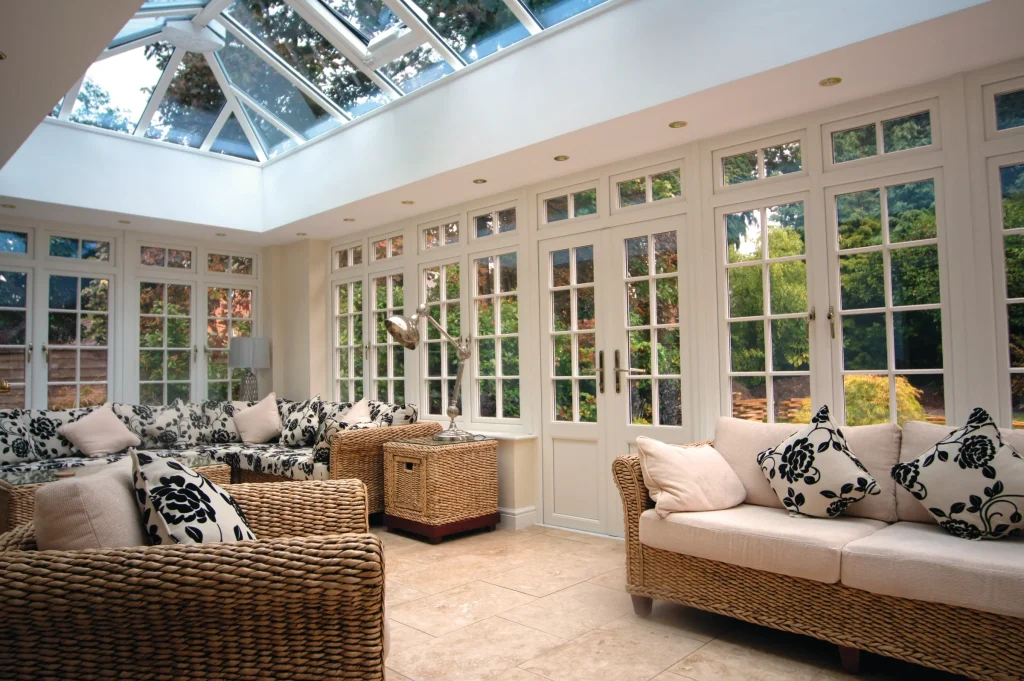
For period and character properties, sash windows are often the best visual fit. Modern timber, composite and PVC sash designs can replicate original proportions while upgrading to double glazing and improved seals to cut draughts. In conservation areas or on heritage streets, this can be crucial for keeping the front elevation in keeping with neighbouring homes while still improving comfort. When we work on this type of project, we pay close attention to details like glazing bars, horn shapes and frame proportions so that replacements look like they have always belonged there.         

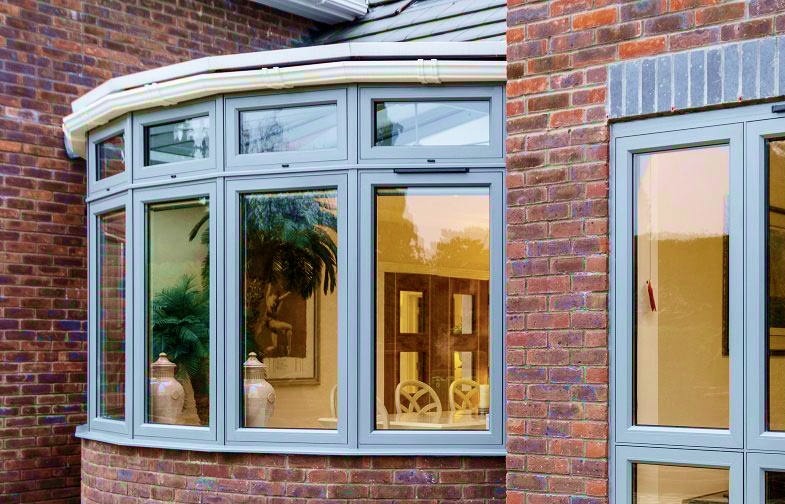
Bay and bow windows remain common on many UK streets, adding space and extra light, and replacement projects here are an opportunity to improve structural support, insulation and detailing while retaining the character of the frontage. Fixed or “picture” windows are also worth considering where big views or maximum daylight are the priority; we often combine these with opening casements or tilt & turn units for ventilation. This mix-and-match approach works well on typical family homes because it lets you keep character at the front and maximise glass, light and garden views at the back.

Frame materials and glazing: what works best in the UK?

Once you know which window types suit your home, the next decision is frame material and glazing package, because these have the biggest impact on comfort and running costs.

uPVC, aluminium and timber

Modern uPVC windows remain a very popular, cost-effective option, offering low maintenance, good thermal performance and a wide range of colours and finishes. For many of our replacement windows UK enquiries, uPVC is the starting point because it strikes a strong balance between budget and performance, particularly where the main priority is better insulation and reduced draughts. Our uPVC ranges are designed to be easy to live with, with durable finishes and secure hardware as standard.

Aluminium windows are favoured for slim frames, larger openings and a sleek contemporary look. Thanks to thermal breaks and quality glazing, aluminium windows can meet current UK energy standards while giving a more minimal frame line, which is ideal for modern rear elevations, kitchen extensions and areas where you want more glass than frame. Timber and composite (alu‑clad) frames bring excellent natural insulation and a warm feel inside, and they are often the go-to choice for heritage work, though they do sit at a higher price point and require more upkeep.

On our own service pages we showcase both uPVC and aluminium solutions so that we can match the material to the project: robust uPVC casements for busy family homes, and slim aluminium for feature windows and matching glass doors in more design-led schemes. This flexibility lets us design a package that suits both the property and the client’s expectations, rather than pushing a single system for every situation.

Double vs triple glazing and U‑values

In the UK climate, modern double glazing is usually the minimum standard we recommend, with low‑E coatings and gas-filled cavities significantly reducing heat loss compared to old single glazing or early sealed units. Triple glazing can push performance further, with very low U‑values that help keep heat in and cold out, which is especially useful for low-energy homes or very exposed sites. However, triple glazing is heavier and more expensive and is not always necessary in standard refurbishments, particularly if the rest of the building fabric is relatively modest.

What really matters is the whole-window U‑value, which takes the frame and spacer bars into account as well as the glass. When we specify products, we work with complete U‑values, appropriate ventilation (such as trickle vents where needed) and professional installation to ensure the finished window meets both regulations and the comfort levels you expect. We always prefer to be open about these figures, so that you can compare options fairly and choose the balance of cost and performance that suits you.

Kitchen Side Window

How to choose the best windows for your home

To narrow everything down into a practical plan, we encourage homeowners to follow a simple process that mirrors the way we design and quote for projects.

  1. List your priorities by room – note where you need more warmth, quiet, privacy or light, and where windows are awkward to open or clean.
  2. Pick one or two main styles – for example, casements at the back, sash at the front, tilt & turn upstairs, with bays and picture windows treated as special features.
  3. Choose a frame material – uPVC for value and low maintenance, aluminium for slim modern lines, timber or composite for character properties where a natural interior finish matters.
  4. Agree glazing and energy targets – decide on double versus triple glazing, any need for solar control or acoustic glass, and the U‑values you want to aim for.
  5. Work with an experienced installer – look for clear written specifications, sensible advice and a proven track record with windows, doors and other glazed products, rather than simply the lowest quote.

On our own website we set out our core window, door and glazing services with this same structured mindset, aiming to guide homeowners from first ideas right through to installation and aftercare with clear, honest advice. By combining practical experience with up-to-date technical knowledge, we help you choose window types and specifications that feel right, perform well and keep your home comfortable for many years to come.

Empty…