Skip to content

What Are the Most Popular Window Styles for Homes in the UK in 2026?

When customers ask us about the most popular window styles UK homeowners are choosing in 2026, they are usually trying to balance three things: a fresh, modern look, better energy performance and a style that genuinely suits their property. From our experience, the trends this year are clear: slim-framed modern windows, especially aluminium windows, are in high demand, and many people are mixing contemporary rear elevations with more traditional frontages. Rather than chasing short-lived fashion, we help clients choose window styles that feel current now but will still look right in ten or fifteen years’ time.

We have seen a strong shift towards larger panes, slimmer frames and cleaner lines, particularly for kitchen extensions, open-plan living spaces and garden-facing rooms. At the same time, homeowners are keen to keep the character of their street-facing elevation, which means styles like flush casements and modern sash windows remain very popular. When we design a project, we rarely use one style everywhere; instead, we carefully combine different modern windows across the home so that each elevation looks right from outside and feels comfortable inside.

Because we work closely with aluminium systems as well as high-performance uPVC, we have a good view of how people’s tastes are changing in real installations, not just in brochures. Our goal is always to show you how each window style will work day-to-day: how it opens, how it feels to clean, how much light it brings into the room and how it works alongside your doors, rooflights and other glazing. That way, you can choose the best window styles for homes like yours, rather than simply copying a trend that does not quite fit your property.
The key window styles UK homeowners are choosing in 2026

Across the projects we work on, a few core window styles come up again and again. Each one can be delivered in different frame materials, but the overall look and operation remains broadly similar.

Slimline casement and flush casement windows

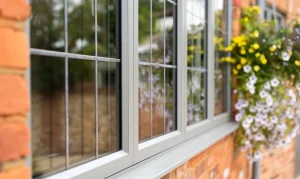
Casement windows are still the backbone of most British homes, but the style of casement people choose has changed. Traditional “stormproof” casements, where the sash sits proud of the frame, are giving way to slimmer, more minimal designs and increasingly to flush casement windows, where the sash sits flat in line with the outer frame. This gives a neat, modern look from outside while still working well on both new-builds and older houses.

In 2026, we are fitting a lot of flush casement modern windows in soft neutral colours, greys and off-whites, which pair nicely with both brick and render. Internally, slimmer frames and larger glass areas mean more natural light and better views, which is exactly what many homeowners are asking for in areas like kitchens, dining spaces and family rooms. Flush casements work particularly well when you want to keep a more traditional feel at the front, but still move towards a cleaner, more up-to-date style overall.

Tilt and turn windows for modern living

Tilt and turn windows have become a firm favourite for more contemporary schemes and for upper floors where safe ventilation and easy cleaning are important. With a tilt position for secure background airflow and a full inward opening position for cleaning, they are very practical in real life, especially in houses and flats where accessing the outside face of upper windows is awkward. When we discuss options with clients, this flexible operation is often what persuades them to include at least some tilt and turn units in their design.

Visually, tilt and turn styles suit modern windows with larger panes and stronger, more architectural openings. In aluminium, this style really comes into its own because the inherent strength of the frames allows generous glass sizes with very slim profiles. We often use tilt and turn windows on the first floor of rear elevations, above bi-fold or sliding doors, so that the whole back of the house has a consistent, contemporary feel.

Modern sash and heritage-inspired styles

Despite the move towards cleaner lines, sash windows remain one of the most popular window styles for homes with period character, especially in terraces, townhouses and cottages. The big change in 2026 is that more homeowners are choosing modern sash systems that combine a traditional look with better insulation, smooth sliding and inward tilt functions for cleaning. This means you can keep the vertical proportions and classic glazing bars that suit the age of the property, while still enjoying the comfort of modern double or triple glazing.

We frequently pair heritage-inspired sash or flush casement windows at the front of a property with more overtly modern windows at the back. This approach keeps conservation officers and neighbours happy on the street elevation while giving you the freedom to use large modern aluminium windows, sliders and rooflights facing the garden. Done well, this creates a home that feels cohesive yet clearly updated, and it is a pattern we are seeing more and more often.

Why modern windows increasingly mean aluminium windows

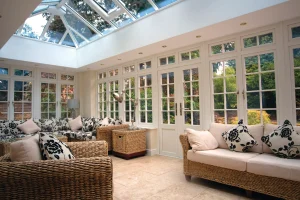
One of the clearest trends we see is the rise of aluminium windows in UK homes, especially on rear elevations and in extensions. Homeowners are drawn to the slim sightlines, the crisp, square-edged frames and the way aluminium can be colour-matched across windows, bi-fold doors, sliding doors and roof systems. In many of our projects, aluminium windows have become the default choice where people want something that feels truly modern.

Technically, today’s aluminium systems include sophisticated thermal breaks and high-performance glazing, so they can comfortably meet UK energy standards while maintaining very slim profiles. This is particularly important when you want big fixed panes or floor-to-ceiling openings, because aluminium frames can carry the weight and wind loads without becoming overly chunky. When we are asked to create a more “glass-led” design, aluminium is normally our first recommendation.

At the same time, aluminium windows are no longer limited to stark, commercial-looking designs. We can now supply softer colours, textured finishes and even flush casement-style aluminium frames that sit happily on traditional homes as well as ultra-modern ones. The result is that aluminium has moved from a niche choice to one of the most common ways to achieve modern windows in all kinds of UK properties, from small semis to large self-builds.

How to choose the right style for your home

With so many options available, it helps to follow a simple process so you can choose with confidence rather than feeling overwhelmed.

  1. Start with how you use each room – think about light, views, furniture positions, ventilation and cleaning access before you focus on looks.
  2. Decide the “feel” you want for each elevation – perhaps more traditional at the front and more contemporary at the back, or consistently modern all round.
  3. Shortlist styles that suit the house – for example: flush casements and sash at the front, tilt and turn upstairs at the back, large fixed panes in key living spaces.
  4. Choose the frame material – uPVC for value and low maintenance, or aluminium windows where you want slim, modern frames and coordinated doors and roof glazing.
  5. Talk through details with an experienced installer – we can help refine proportions, opening styles, colours and hardware to make sure everything works as a whole.

At RADGAW we set out our core window and door services with this same mindset, because we want every installation to feel considered rather than off-the-shelf. By combining what we see in current trends with our practical installation experience, we can guide you towards window styles that feel fresh and modern today, sit comfortably on your home, and will keep working hard for you for many years to come.